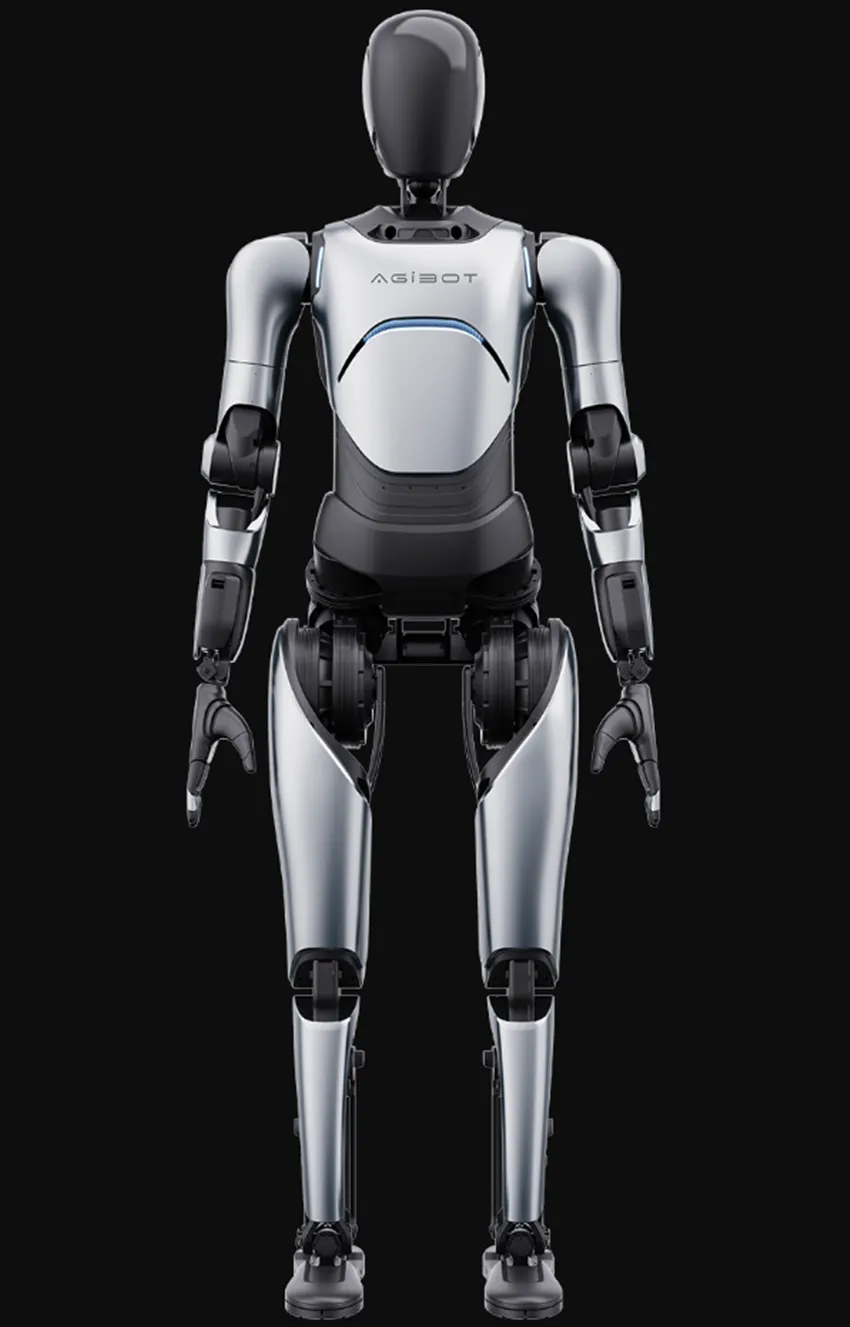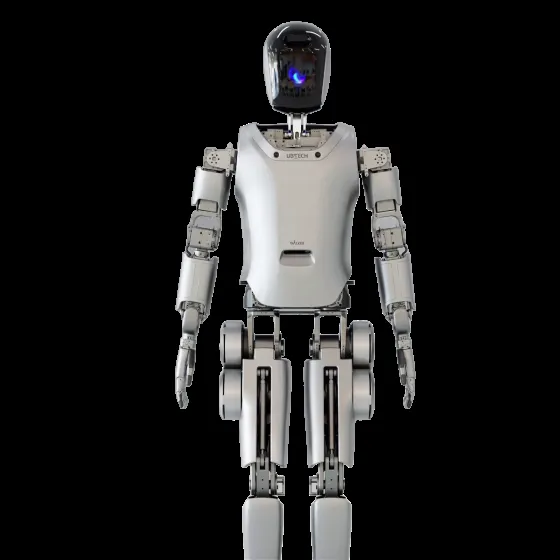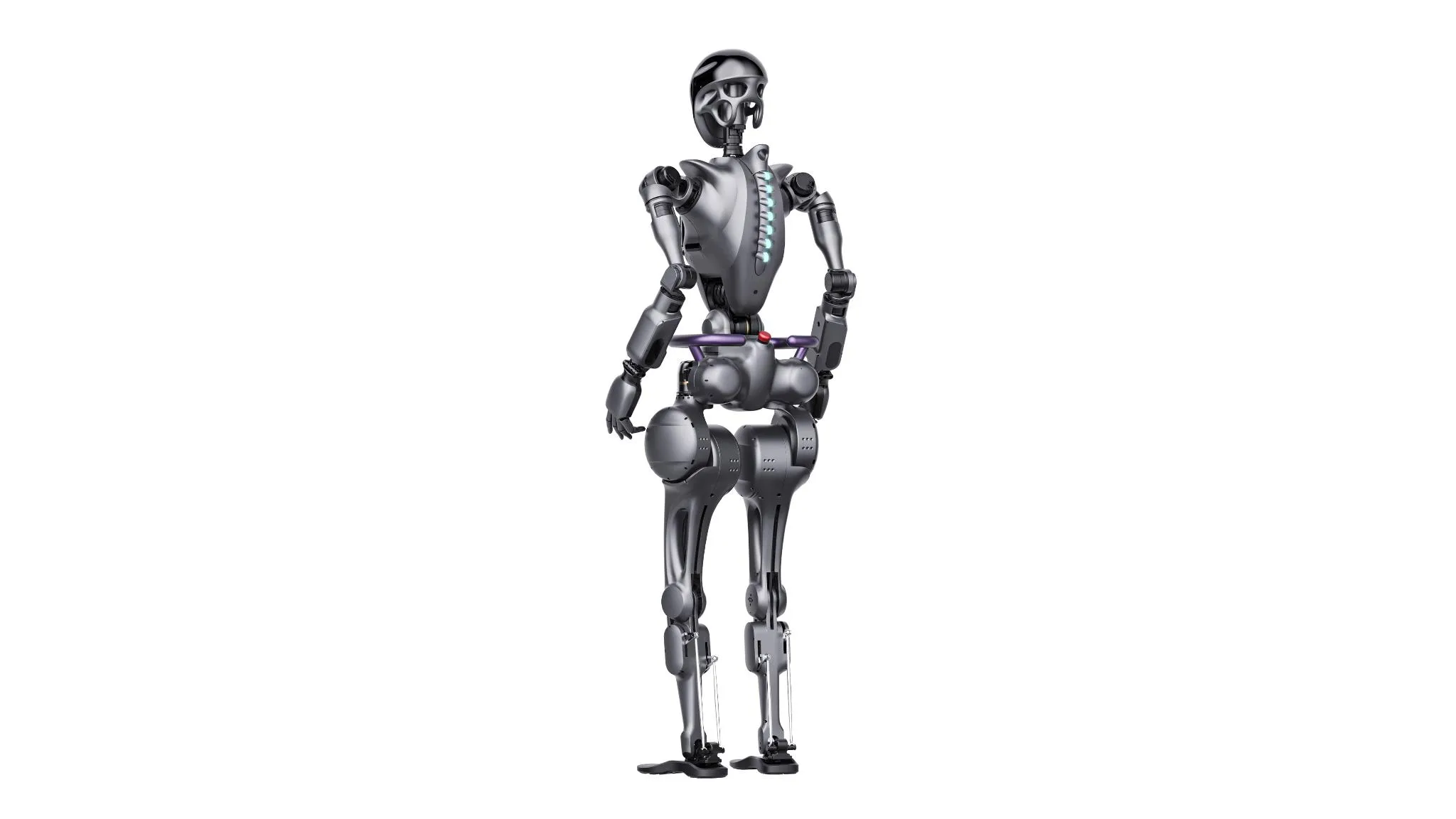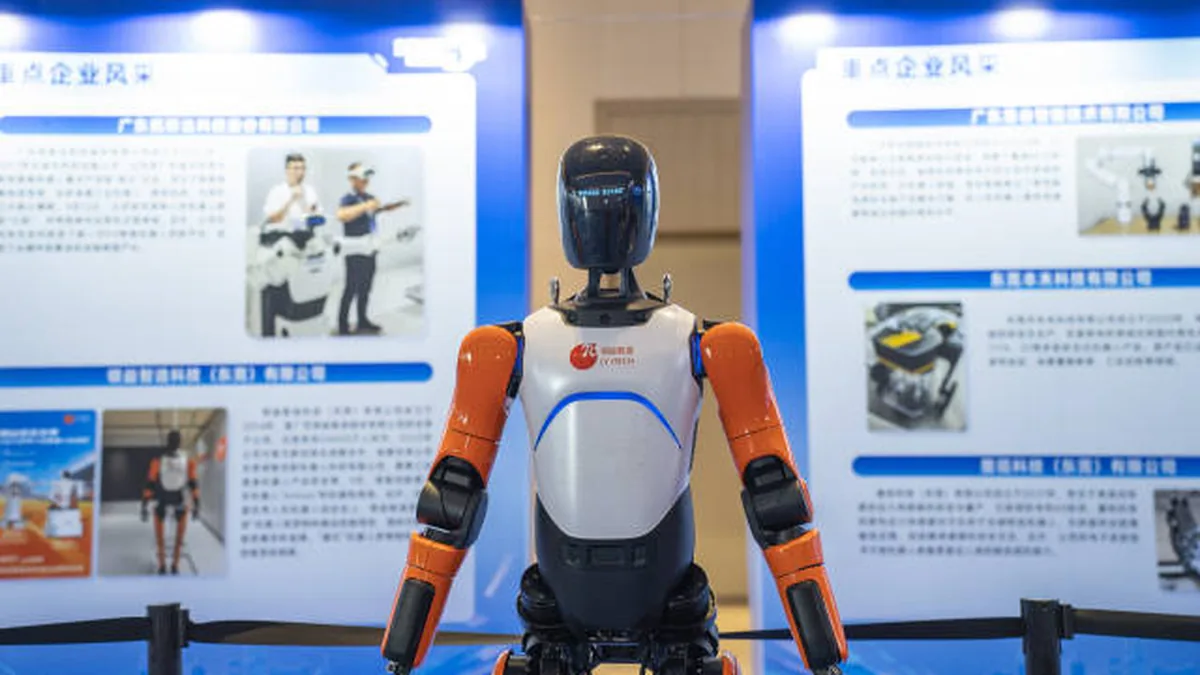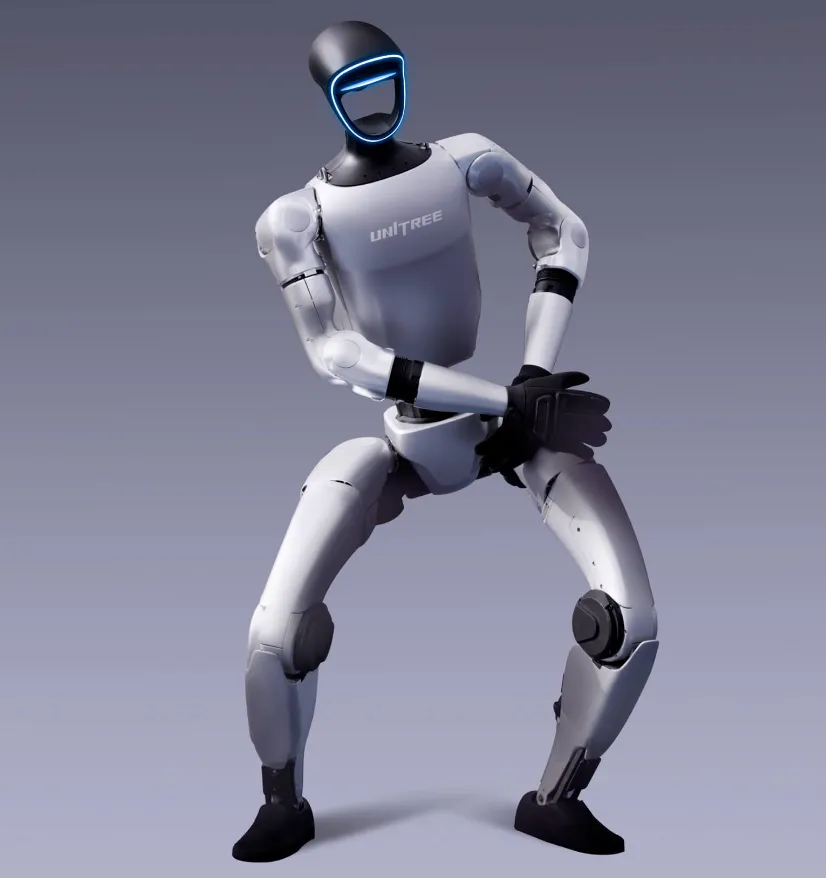
The cost-engineering machine. Started with quadruped robots, then became the world's largest humanoid shipper (5,500+ units in 2025; G1 passed 10,000 units). Known for aggressive pricing, full-stack self-developed actuation, and viral demo videos. Filed for a Star Market IPO that cleared in a record 73 days.
Companies & Startups
More than 47 humanoid startups, a top-three industrial-robot market, and one of the world's most aggressive hardware ecosystems. Here is the landscape, sector by sector.
Humanoid & Embodied AI
The most crowded and most funded corner of the industry. China shipped roughly 18,000 humanoids in 2025 — the majority of the global total.
Founded by Huawei "genius" Peng Zhihui and former Huawei VP Deng Taihua. Reached a 15-billion-yuan valuation in three years with 10 financing rounds and 50+ investors. Overtook Unitree in H1 2026 humanoid shipments (~8,400 units, ~44% share) and has launched a Hong Kong IPO.
The world's first listed humanoid-robot company (HKEX 09880, Dec 2023). Famous for the Walker series and the very first humanoid robot to "ring the bell" at a stock exchange. 2026 is its "large-scale commercialisation" year: Walker S target raised to 5,000 units, with capacity planned at 10,000.
A rehabilitation-robotics veteran that pivoted into full-size humanoids. Its GR-1 (2023) was among the first mass-produced full-size humanoids; GR-2 and GR-3 followed. Backed by SoftBank Vision Fund 2 and Saudi Aramco's Prosperity7; roughly US$190M raised in total.
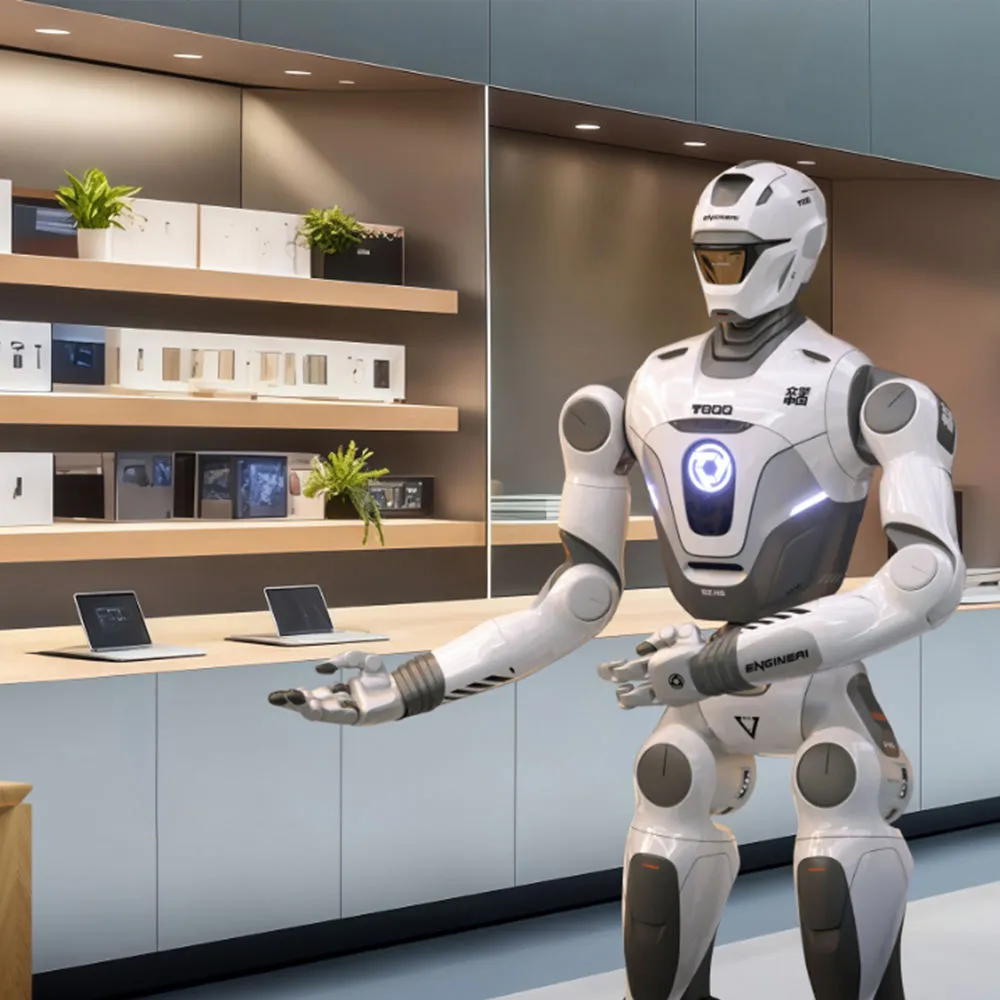
Founded by Zhao Tongyang (ex-XPeng robotics lead), EngineAI shot to a 10-billion-yuan valuation with its T800 full-size humanoid — the one that kicked its founder across a showroom. Product ladder: T800 (general), SA02 (commercial), PM01 (research). Heading for a Hong Kong IPO.
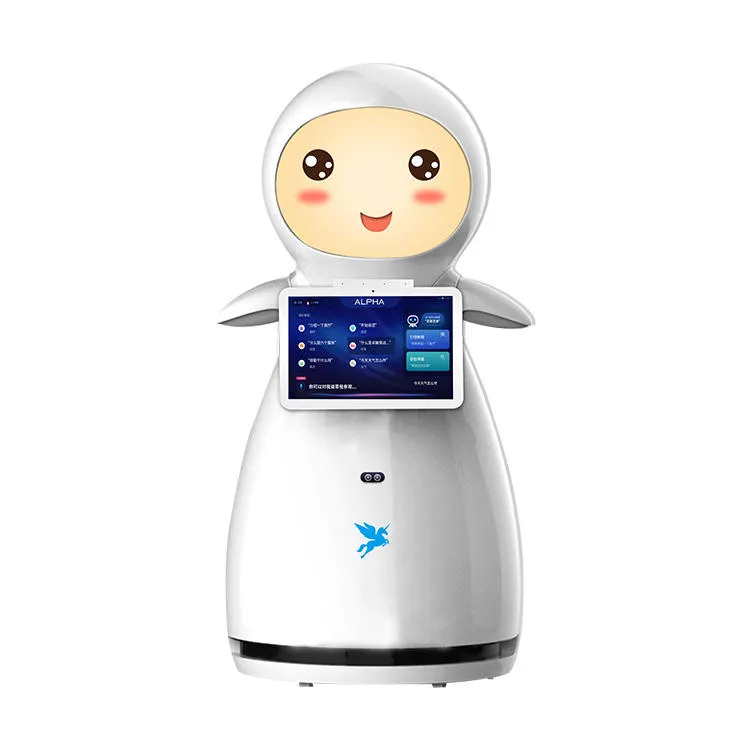
Founder Guo Yandong's bet on end-to-end VLA (vision-language-action) models. Its "AlphaBot" (爱宝) robots already work in automotive, semiconductor and biopharma plants. Recently valued above 20 billion yuan — reportedly the first embodied-AI unicorn in the Greater Bay Area.
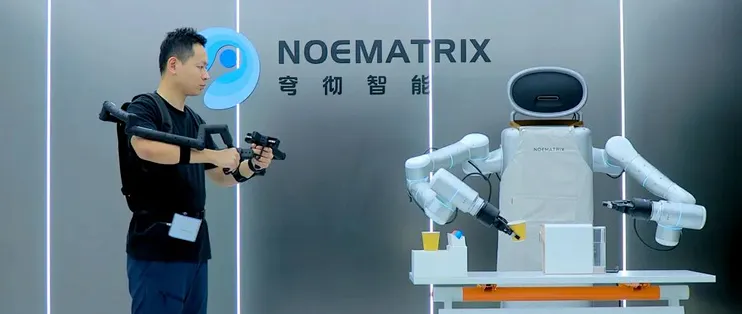
Tsinghua PhD student Liu Songming's "physical world model" startup. In four months it demoed a two-handed robot peeling bananas, twisting caps and flipping pans — dexterous manipulation widely seen as robotics' "last mile." Nearly 500 million yuan raised in six months from Sequoia China, Meituan, Shunwei and ZhenFund.
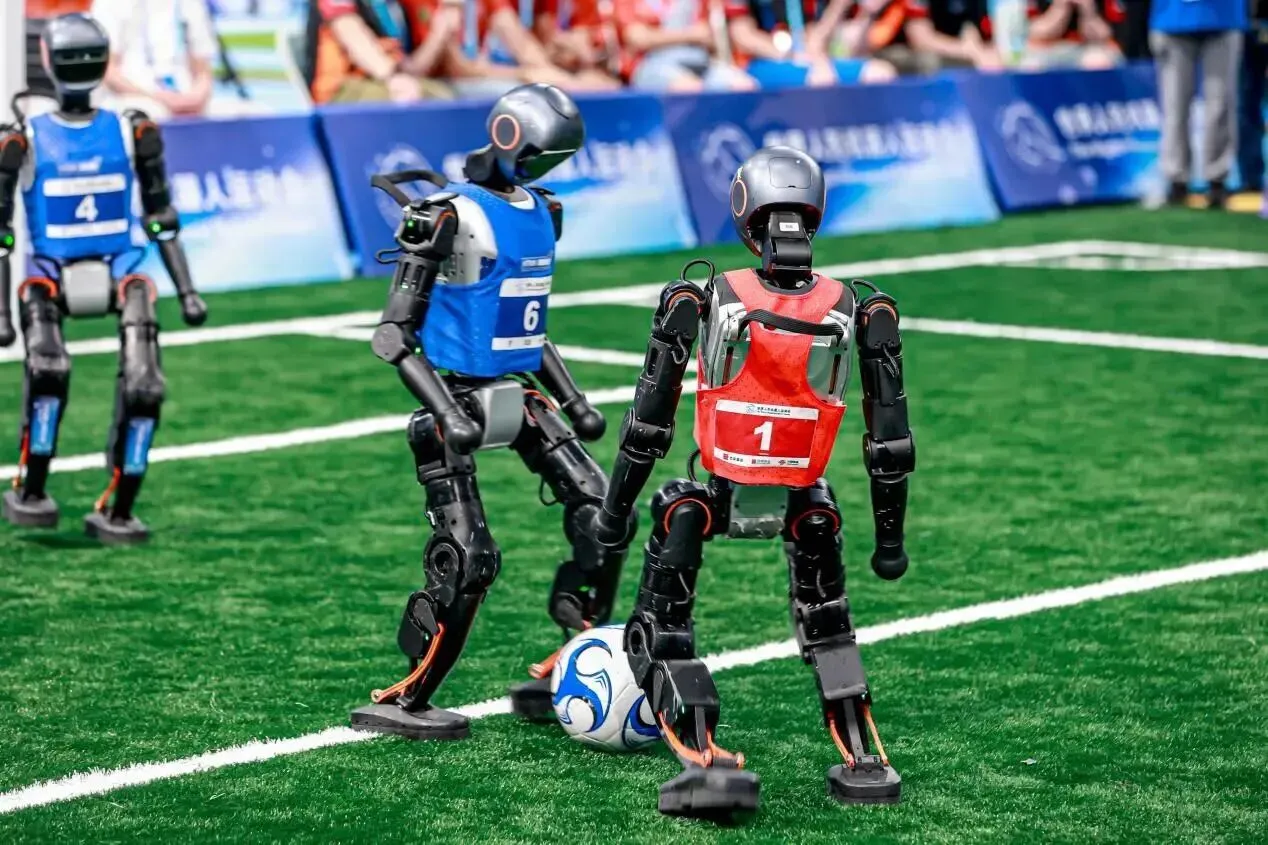
Founded by Tsinghua's former "Huoshen" robot-football team captain, Cheng Hao. Positioned around developer ecosystems and education, Booster's T-series humanoids were the standard robot "player" at the 2026 World Humanoid Robot Games and RoboCup. Closed nearly 1 billion yuan in 2026 funding.
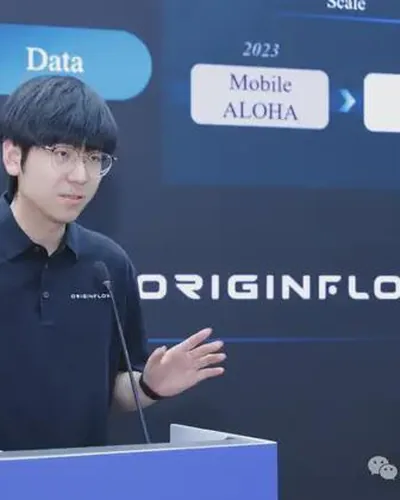
Not a robot maker — a "data layer" company. Using neuro-muscular (sEMG) signals, OriginFlow captures how human hands perform fine tasks and turns it into robot-training data, with industrial and home-service data deals. Raised 500M+ yuan in five months from Monolith, 58, and others.
Industrial Robots
In 2025, domestic brands overtook foreign brands in China's industrial-robot market for the first time. These are the leaders.
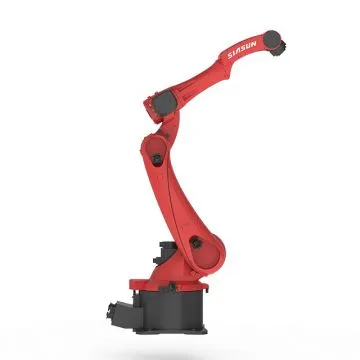
China's first robotics company, named after the "Father of Chinese Robotics," Jiang Xinsong. The elder statesman of the industry, spanning industrial robots, mobile robots and — more recently — humanoid research platforms. Listed on the Shenzhen and Hong Kong exchanges.
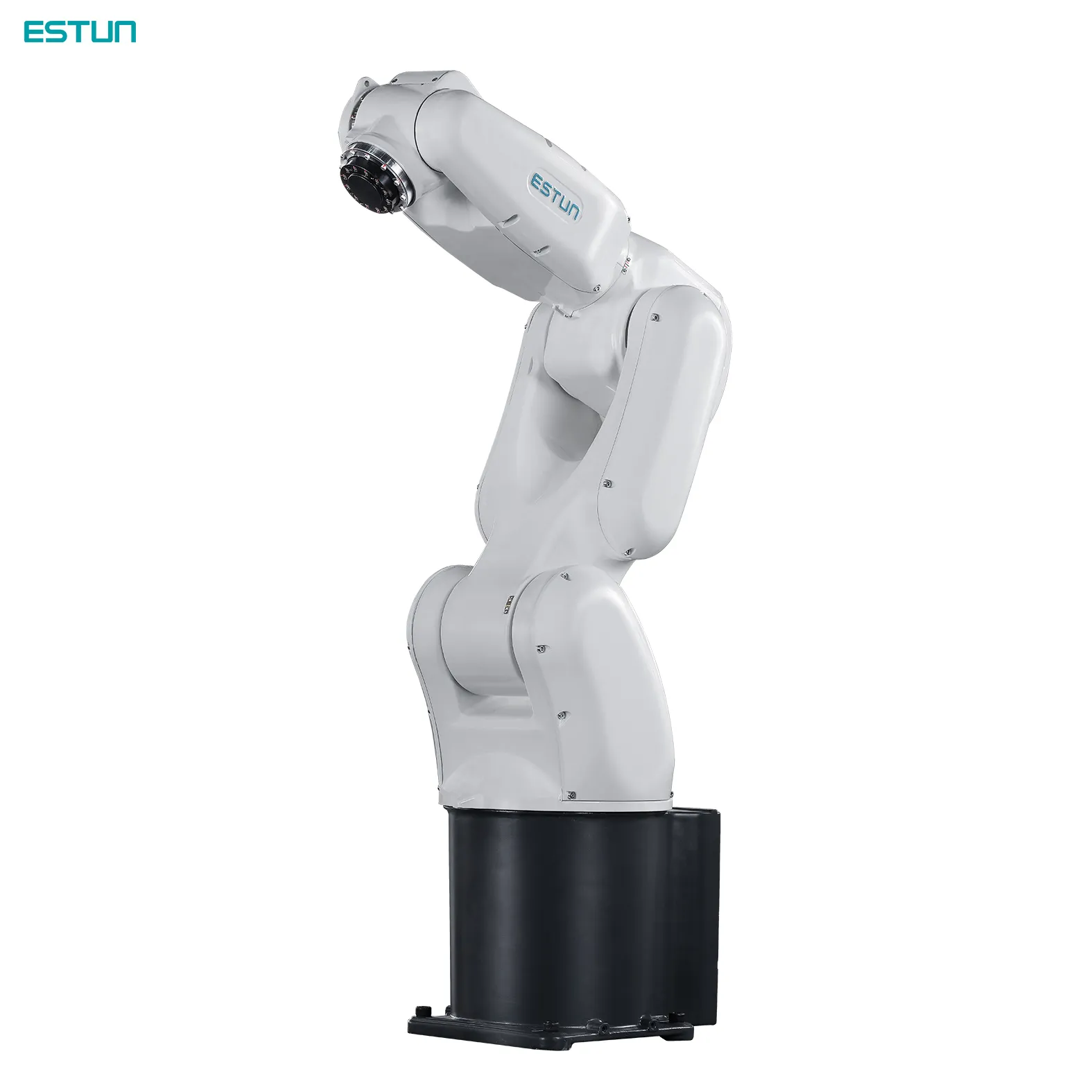
The new No.1. In 2025 Estun shipped roughly 33,400 industrial robots (~10.6% share) — the first time a Chinese brand topped the domestic market, overtaking the foreign "big four." Known for vertical integration: 80%+ self-developed content including servo drives and controllers. Listed A-share + H-share (2026).
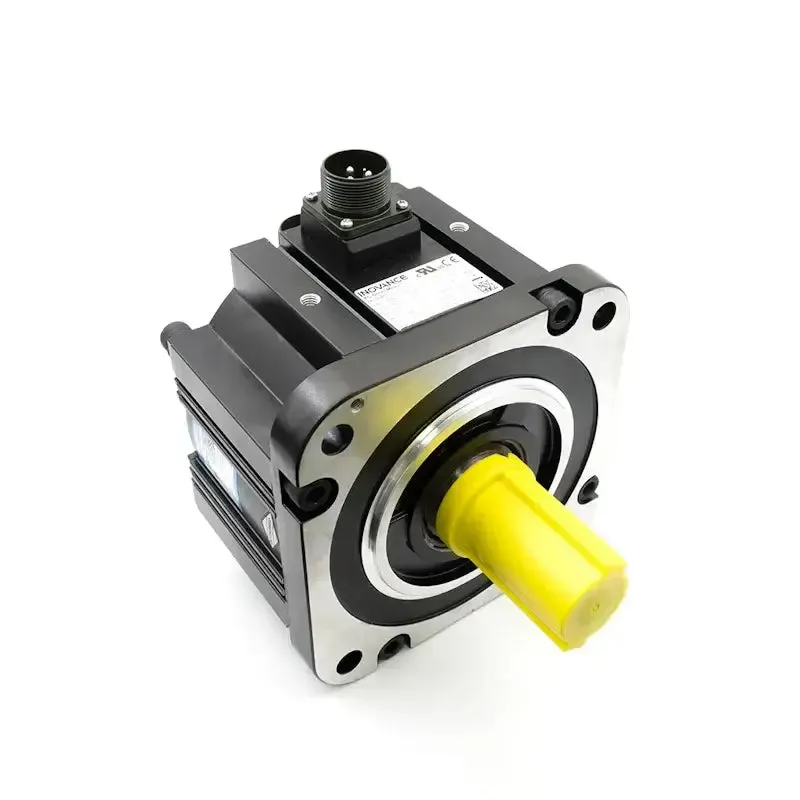
The SCARA leader and China's largest motion-control and drive company, born out of Huawei's electrics team. Inovance took a different path from Estun — leveraging its massive servo and PLC base to move up into complete robot arms. Roughly 9–12% share of the domestic industrial-robot market.
Service & Cleaning Robots
China is the world's largest market for robot vacuums — and its commercial cleaning robots now mop floors on five continents.
The "boring" winner: 13 years of commercial cleaning robots instead of chasing humanoid hype. Valued at 14 billion yuan, robots deployed across dozens of countries, and a Hong Kong IPO in progress. Launched a new AI cleaning line with SoftBank's US arm in 2026.
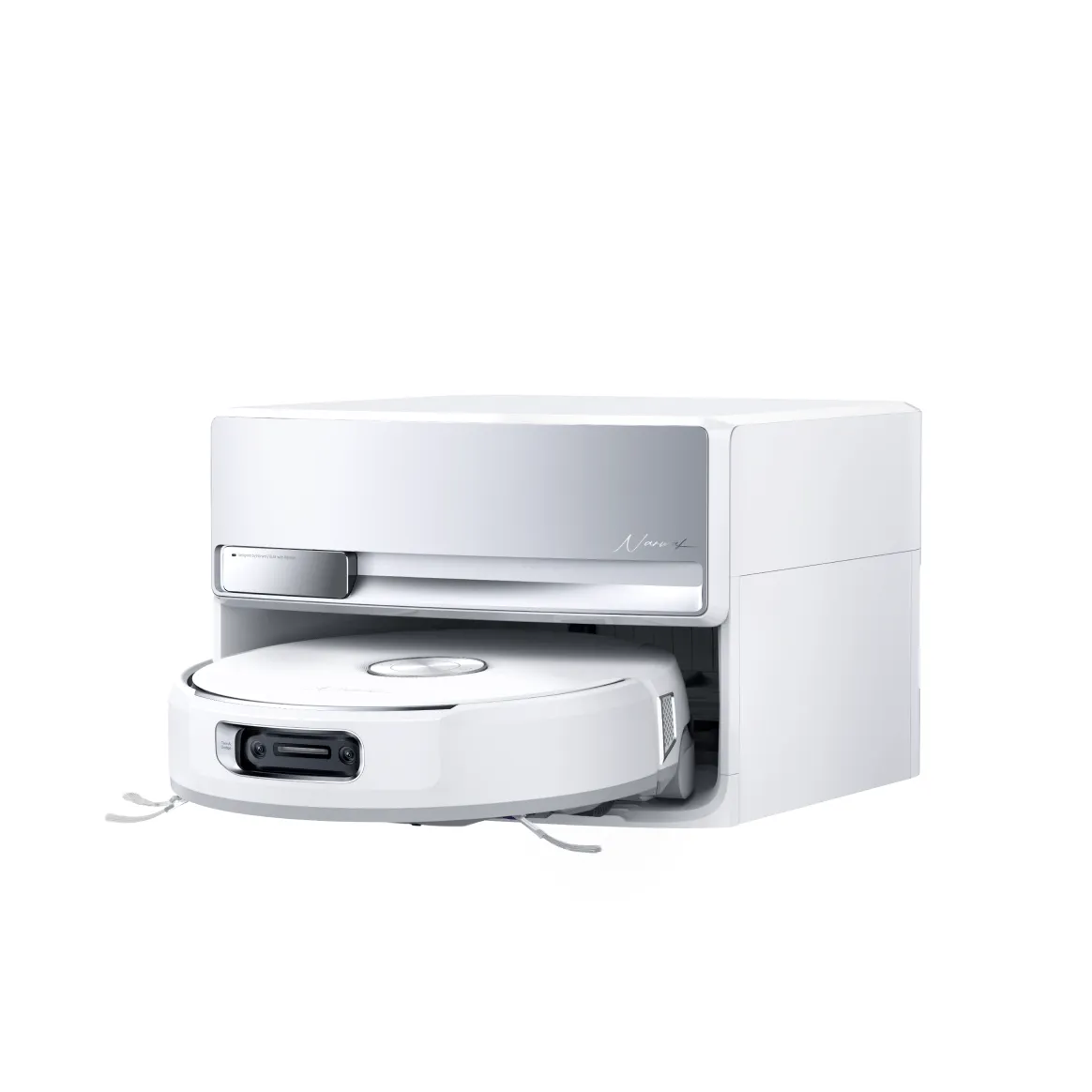
Dongguan's robot-vacuum darling, founded by Zhang Junbin (a Li Zexiang/XbotPark protégé). Famous for self-cleaning mops. Exploding overseas: hundreds of millions of yuan in 2026 overseas orders and a strategic partnership with European group Sebo. Valued above 10 billion yuan.
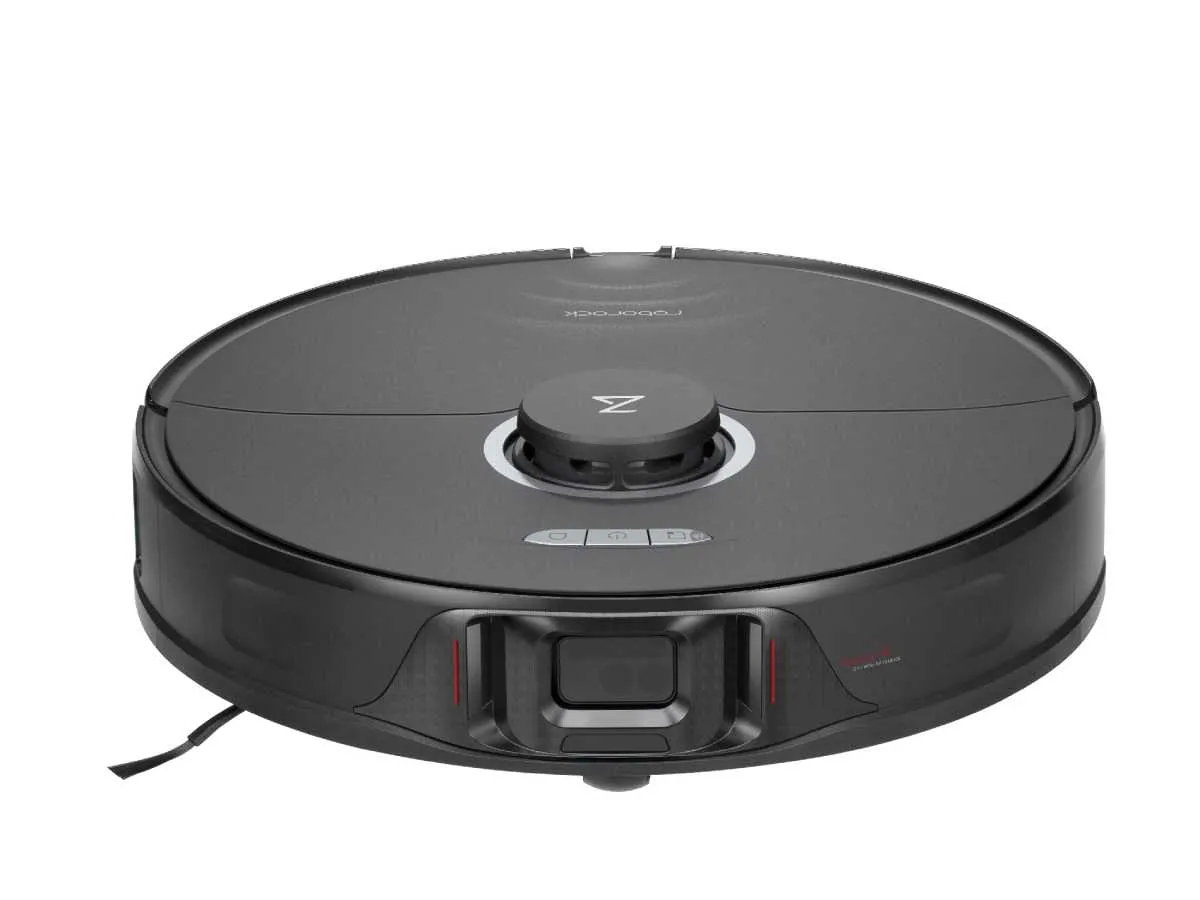
Founded by Xiaomi-backed engineers (led by Chang Jing), Roborock built robot vacuums into a global consumer brand. Listed on the STAR Market in 2020; consistently among the world's top robot-vacuum makers by revenue.
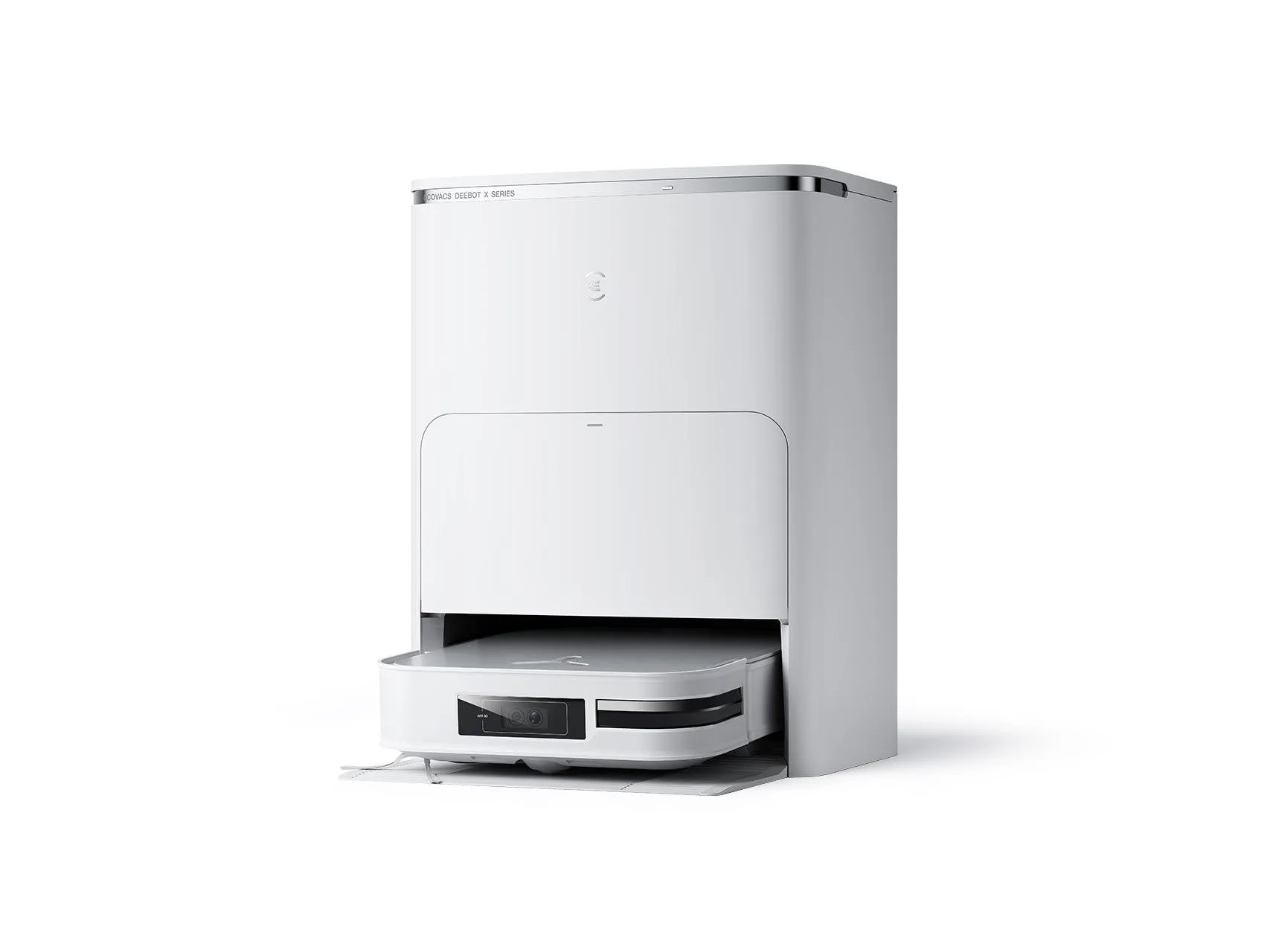
The pioneer of Chinese home robotics — started as a vacuum-cleaner OEM in 1998 and pivoted to autonomous floor cleaners under the Deebot brand. Listed in 2018. The company that effectively created China's robot-vacuum category.
Aerial & Special Robots
Beyond ground robots: the world's drone king, and a new generation of biomimetic flyers.
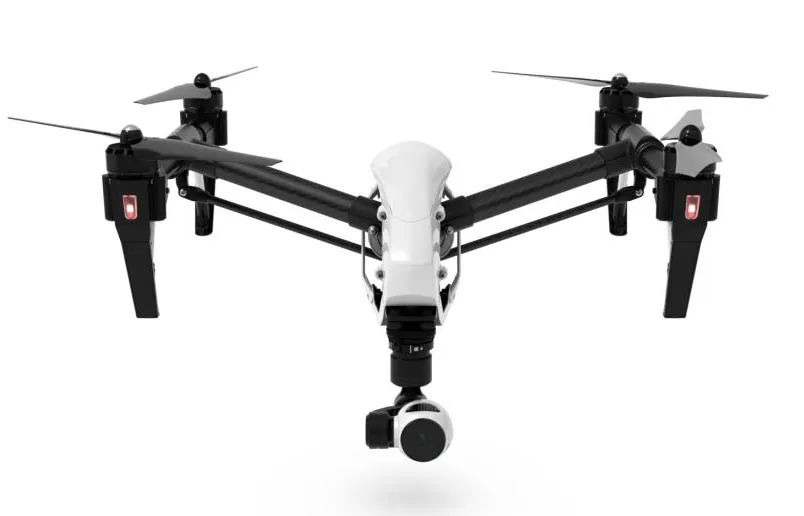
The global drone champion, founded by Wang Tao in a 20-square-metre garage. DJI dominates consumer drones worldwide and defines the reference point for China's hardware ecosystem: a category it created, and a brand the world recognises.
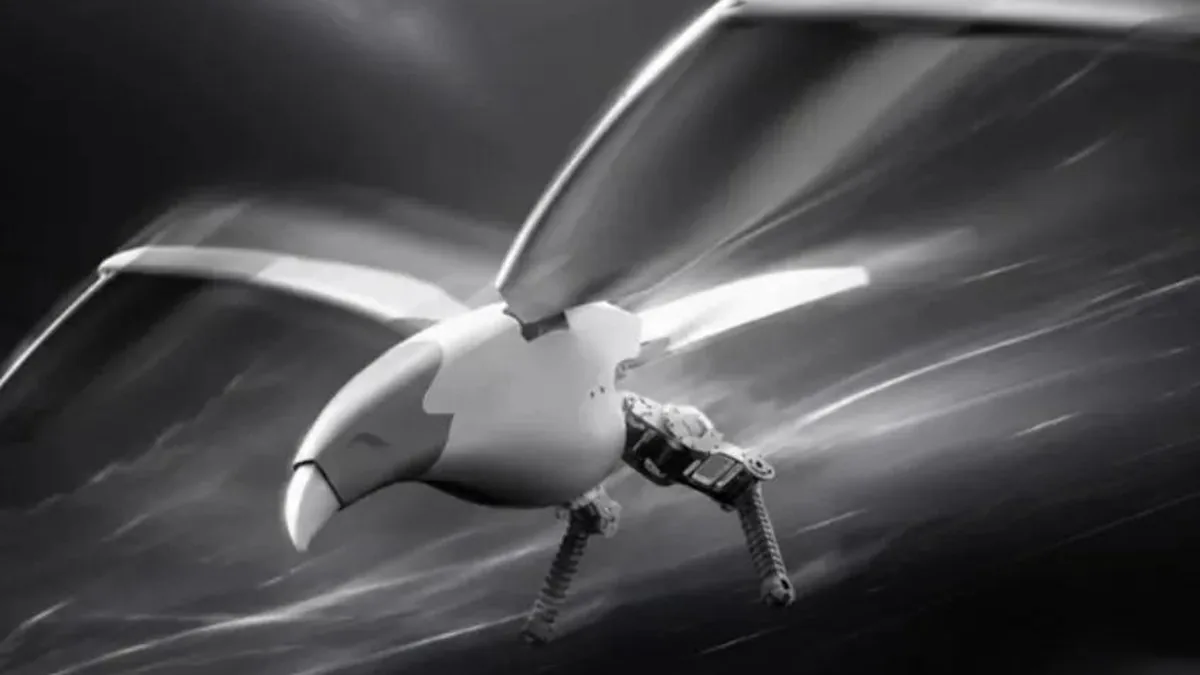
The world's first company focused on embodied-intelligence ornithopter (flapping-wing) robots. Founded by Shanghai Jiao Tong post-00s PhDs led by Chen Hao, with a self-built fluid-simulation engine ("Vortrix") for learning to fly. Three funding rounds in three months.
Components, Data & the Ecosystem
The "picks and shovels" of the robot boom — and the incubator that produces it.
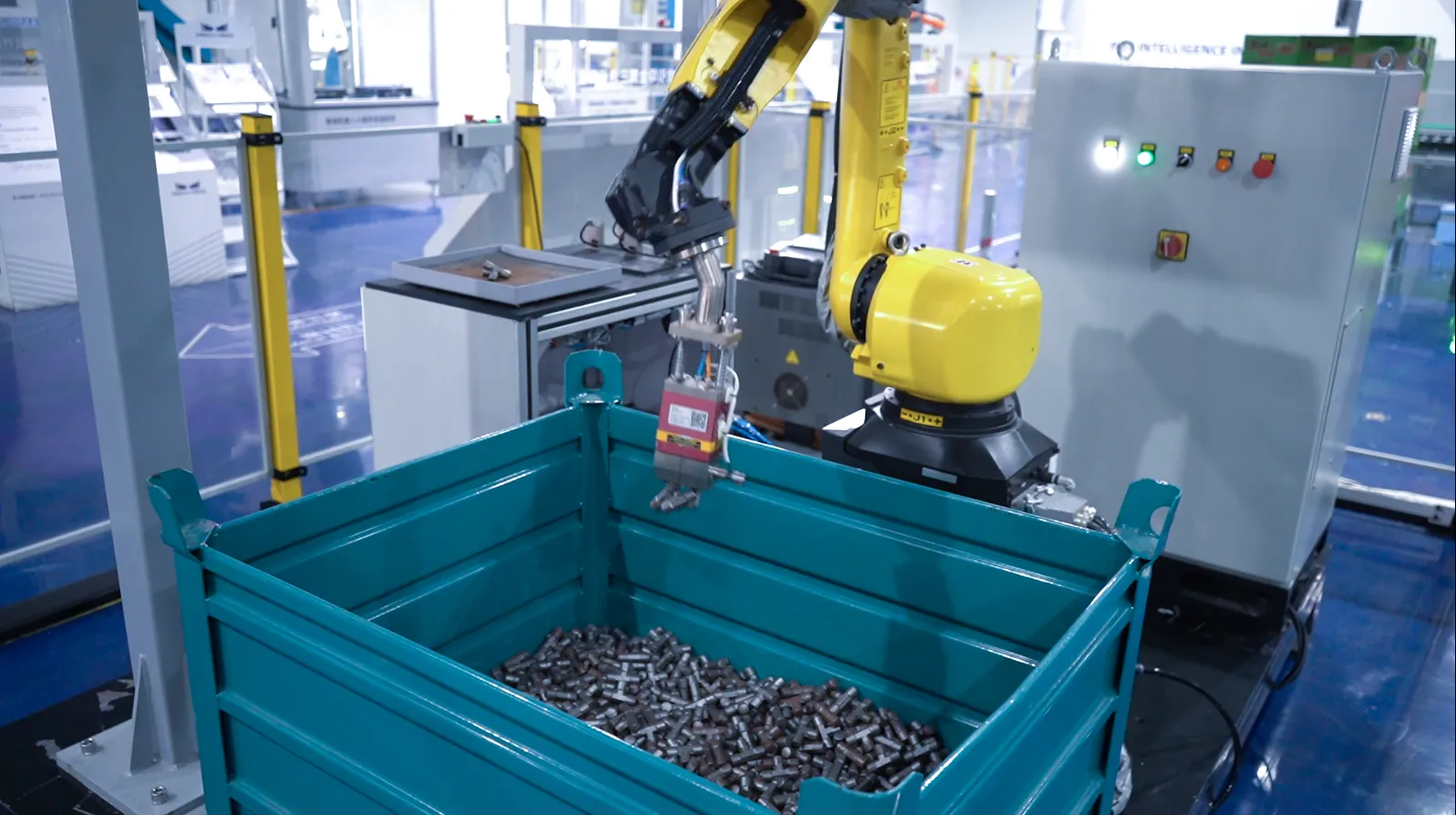
AI + 3D-vision "eyes" and "brains" for industrial robots. Founder Shao Tianlan brought German engineering discipline home and paired it with Chinese AI and manufacturing cost advantages. Roughly 22% of the global AI+3D-vision guided component market; ~50% of revenue from overseas.
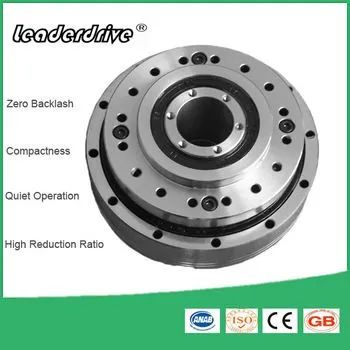
The rubber-gasket maker turned robot-joint empire. After a decade of European acquisitions (including a French company bought for €1), Zhongding is now a top supplier of harmonic reducers, force sensors and micro-motors for humanoids — with ~300,000 units of reducer orders from EngineAI, Fourier and others.
The "Apple supply-chain queen" turned robot-hardware maker. After listing in Hong Kong in June 2026 and raising HK$8.3 billion, Lingyi is pouring capital into AI servers, EVs and humanoid-robot joints and skeletons — aiming to be a top-3 global hardware maker in robotics.
Songshan Lake's force-controlled humanoid two-arm specialist — one of the first brands to ship force-controlled dual-arm humanoids in volume, delivering 2,000+ units in four months. Backed in 2026 by Hillhouse, Meituan and Tencent, reaching unicorn status.
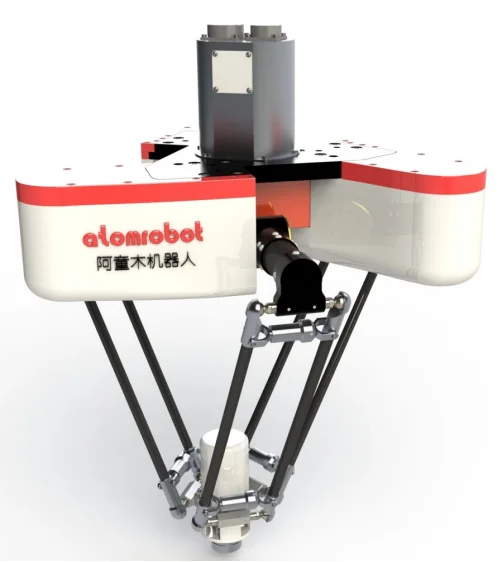
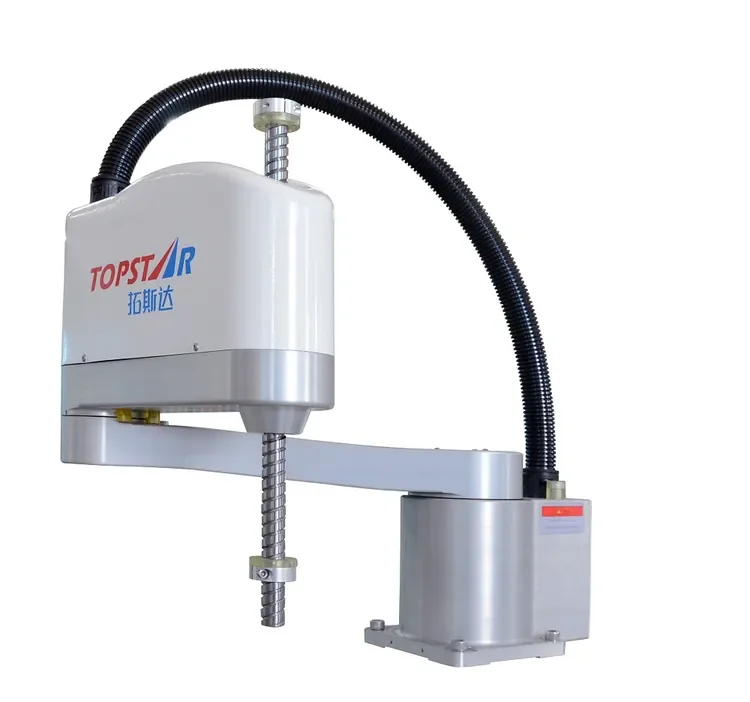
Dongguan's robot-chain "leading enterprise," built on injection-molding automation. Shipped ~12,000 robots in 2025 and launched "Xiaotuo," the first injection-molding-scenario humanoid. Filed for a Hong Kong listing in January 2026.
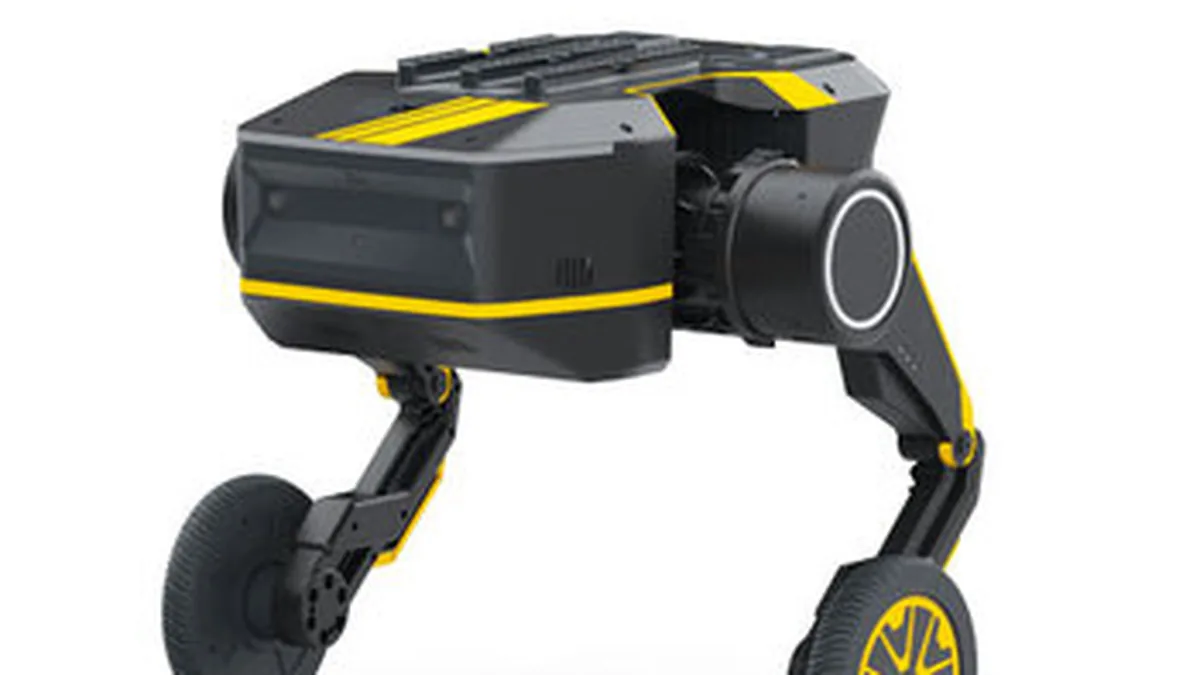
Direct-drive module specialist with 60%+ domestic share in its niche, plus a line of wheel-legged robots (D1, TITA, "Xingtian") exported to 50+ countries. Partnered with JD for last-mile delivery trials. Headed for a Hong Kong listing.
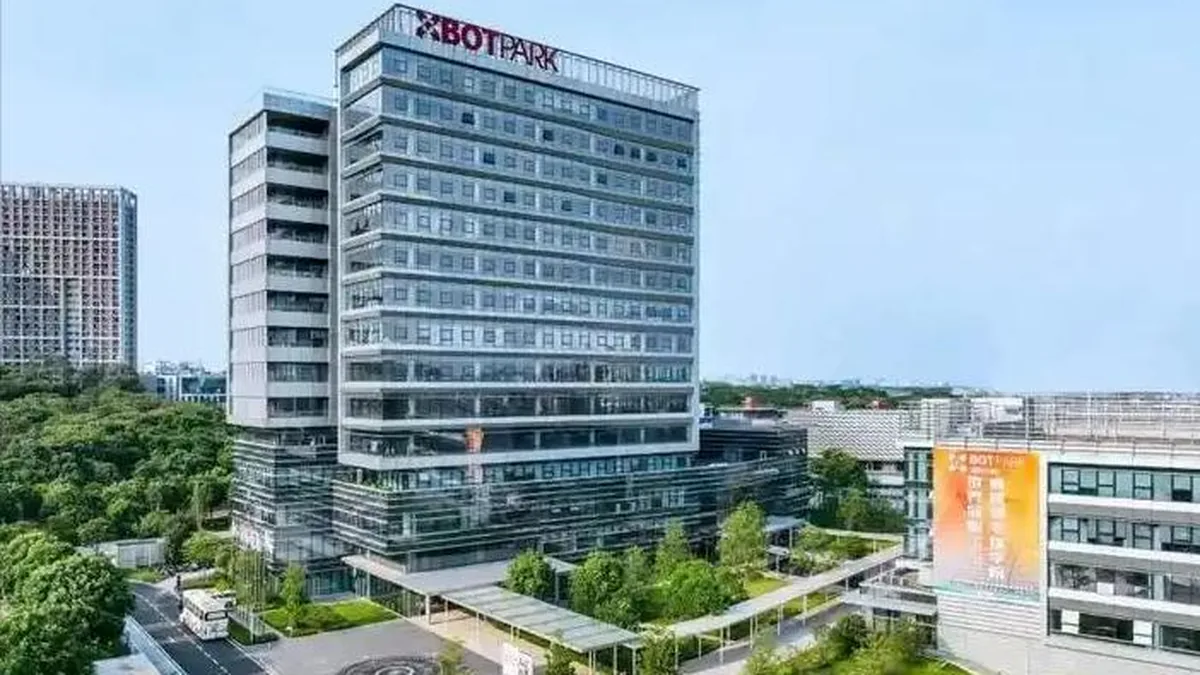
Li Zexiang's hardware startup incubator in Songshan Lake — the "Hogwarts of robotics." More than 80 companies hatched, several unicorns, and DJI as its founding legend. The model now runs in Ningbo, Changzhou, Chongqing, Shenzhen and Hong Kong.
See the machines they make
From humanoids that sprint to hands that peel bananas — explore the hardware defining the frontier.