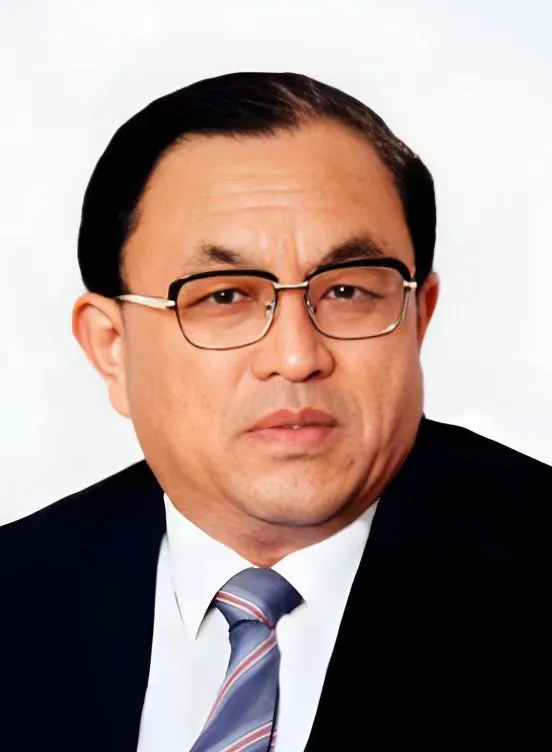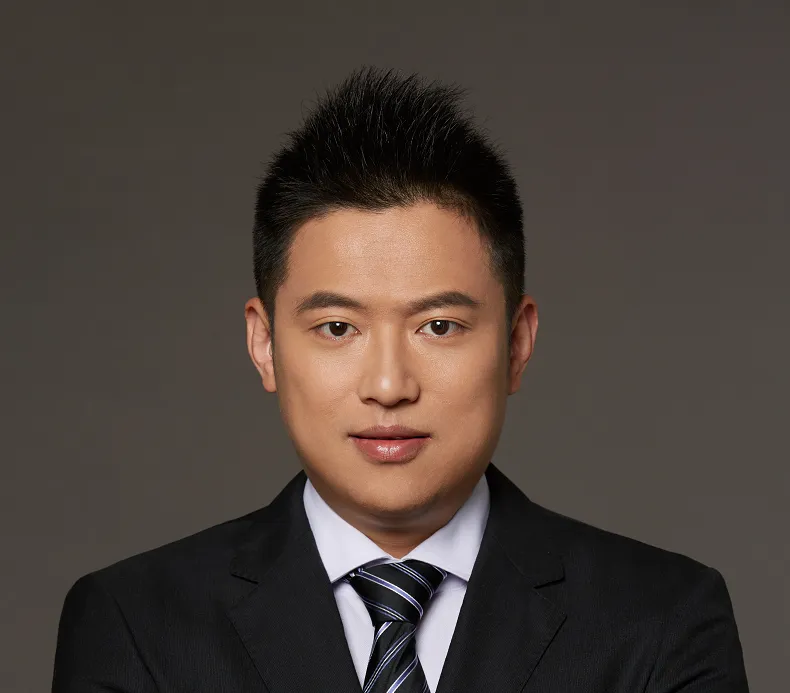
Wang Xingxing
Founder, Unitree Robotics · b. 1990 · 王兴兴
The post-90s founder who turned cost-engineered quadrupeds into the world's best-selling humanoids. Unitree shipped more than 5,500 humanoid robots in 2025 — the global leader — and its G1 became the first mass-produced humanoid to cross 10,000 units. Its H1 sprinted at 10 m/s in 2026. Wang filed Unitree for a Star Market IPO that cleared in a record 73 days.
Read full profile
Fact: 2026 target: 10,000–20,000 humanoid shipments.
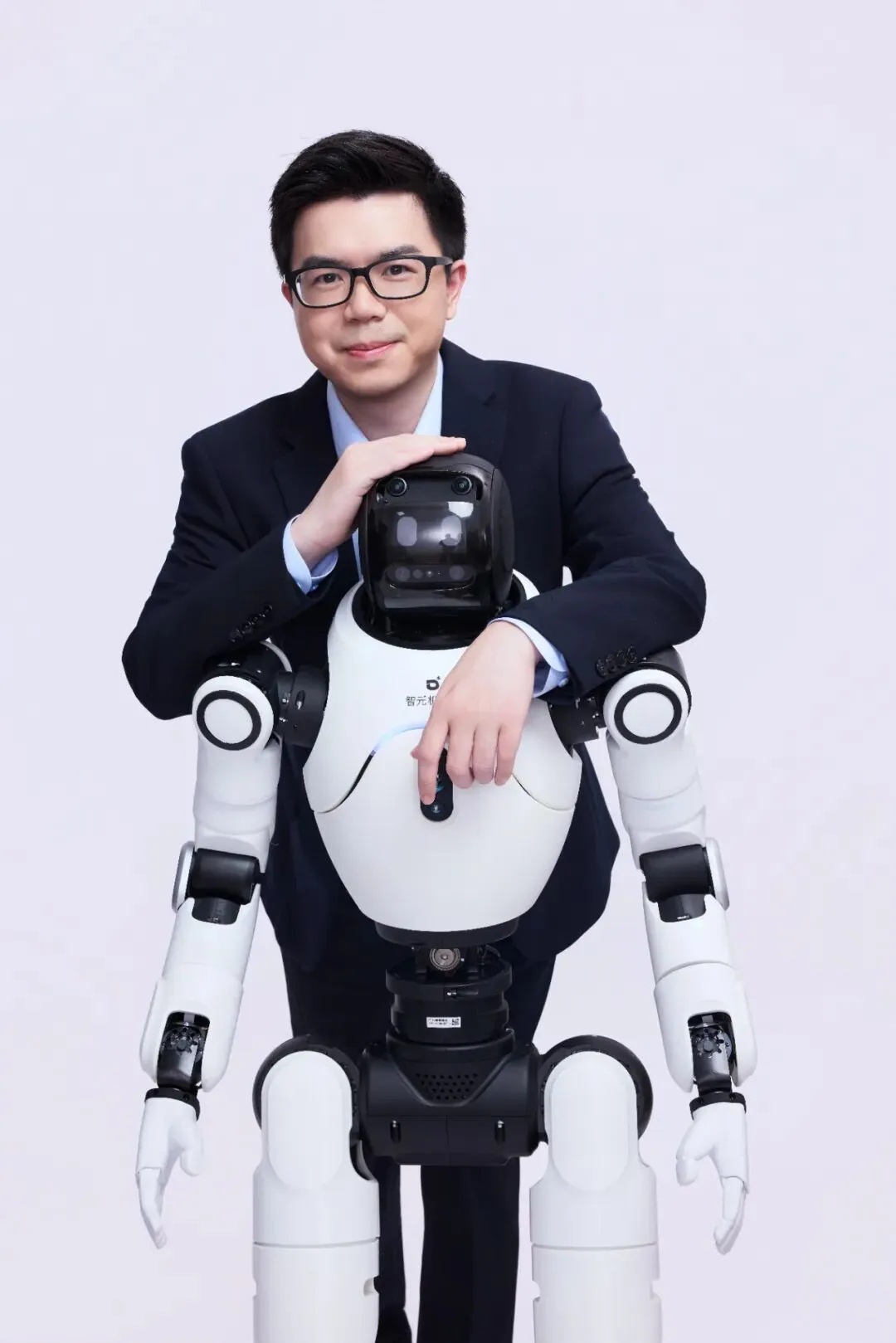
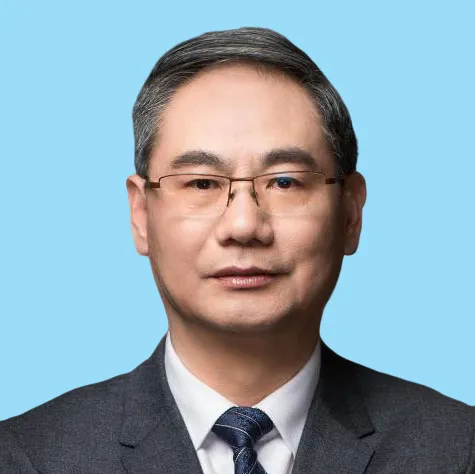
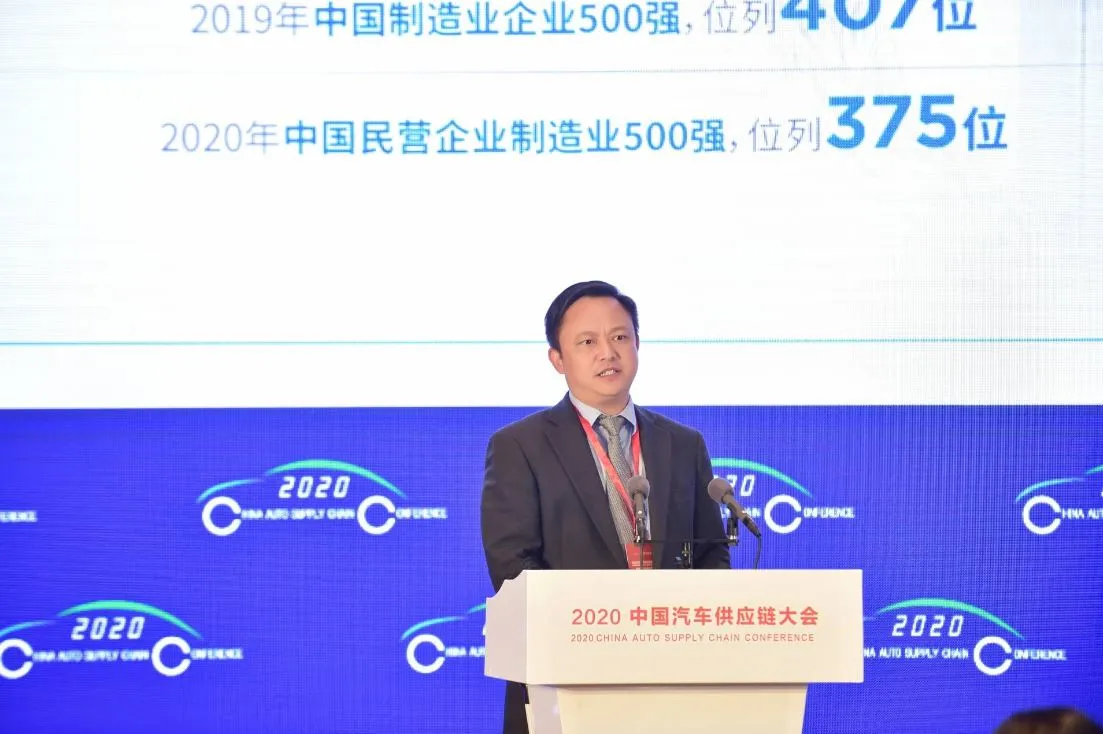
Peng Zhihui
Co-founder, Agibot · aka "Wild Iron Man" · 彭志辉 / 稚晖君
The Huawei "genius" who turned a 2-million-yuan salary offer into one of China's hottest robotics startups. Agibot, founded in 2023 with former Huawei VP Deng Taihua, reached a 15-billion-yuan valuation in three years, overtook Unitree in H1 2026 shipments (~8,400 units) and is heading for a Hong Kong IPO. Peng's famous "358 plan": 10 billion yuan revenue by 2027, 100 billion by 2030.
Read full profile
Fact: 10 financing rounds in 3 years; 50+ investors, from Tencent to BYD.
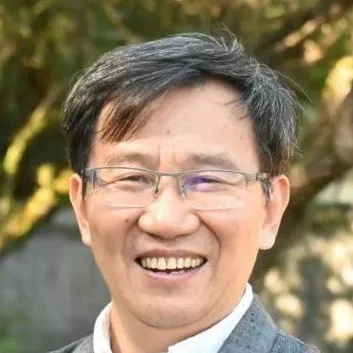
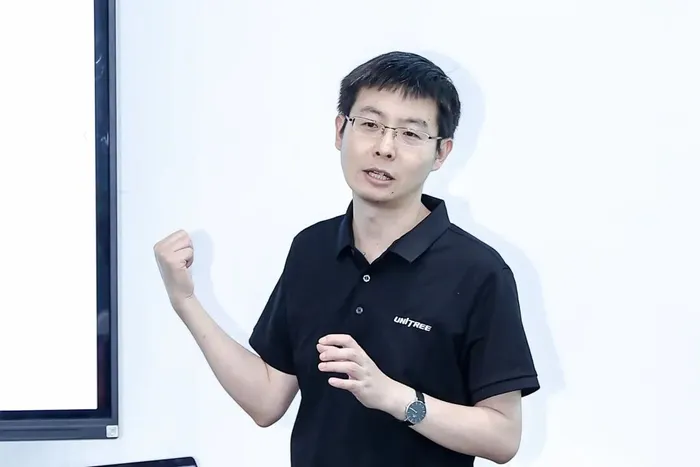
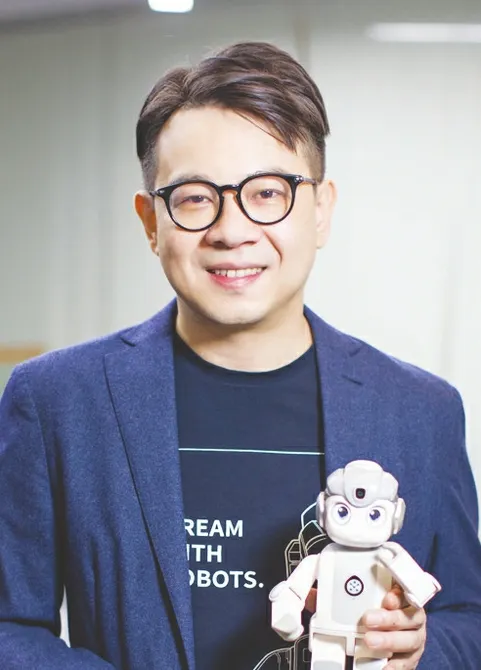
Zhang Wei (Will Zhang)
Founder, LimX Dynamics · 张巍
The SUSTech professor who gave up a tenured position at Ohio State to found LimX Dynamics in 2022. A Purdue PhD and motion-control researcher, he aims to make LimX the "NVIDIA of embodied intelligence" — quadruped and wheeled-legged robots with a deep motion-control core, not an AI-platform shell.
Read full profile
Fact: Former Ohio State tenured associate professor; returned to China in 2019.
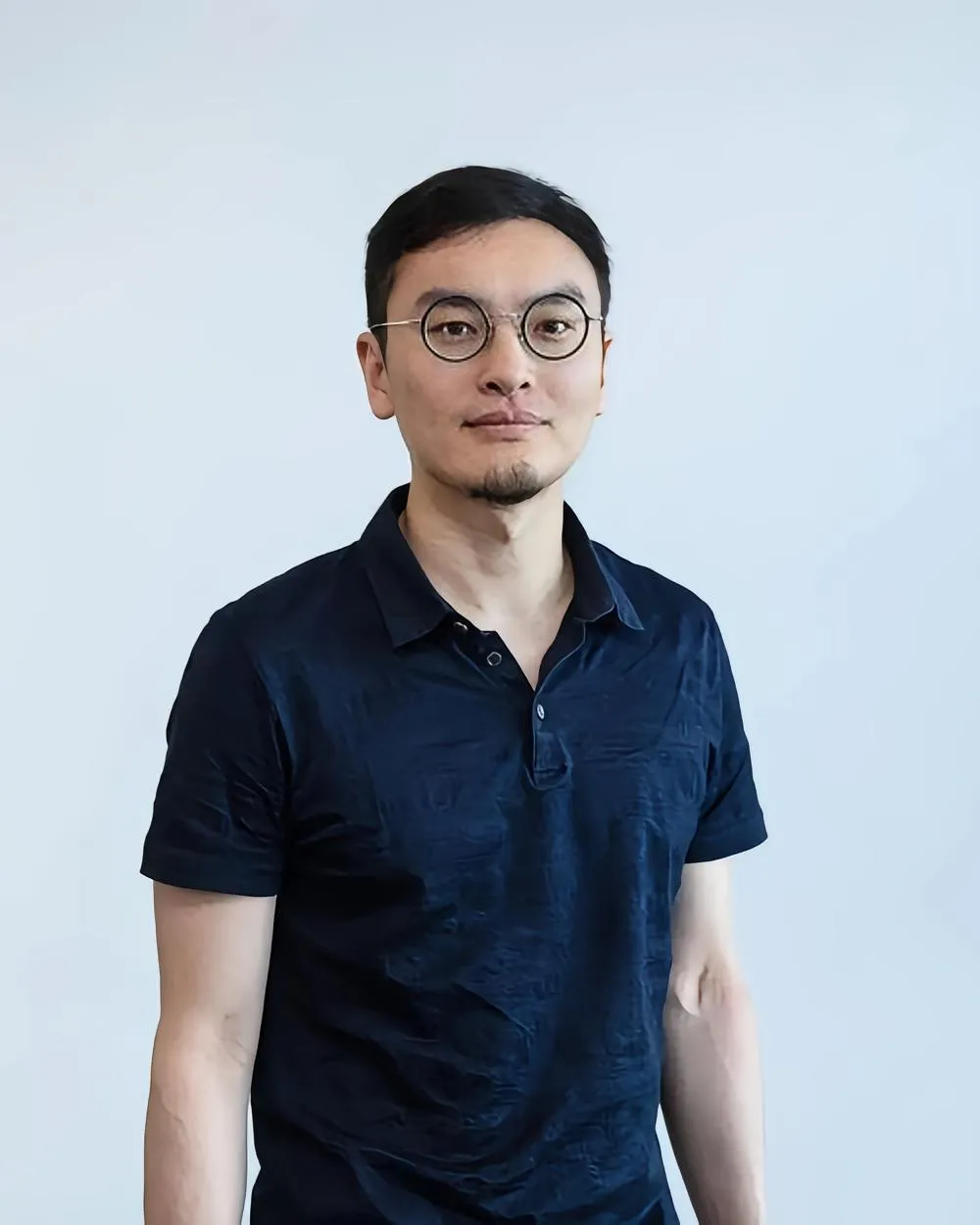
He Wang
Founder & CTO, Galbot · 王鹤
The Stanford PhD (advisor: Leonidas Guibas) and Peking University assistant professor who founded Galbot in 2023. Within three years Galbot raised 7B+ RMB across six rounds, making it one of China's best-funded embodied AI startups. In 2026 he won the Beijing Youth May Fourth Medal, the only embodied AI figure honored that year.
Read full profile
Fact: Born 1992; six funding rounds in under three years.
Jiang Zheyuan
Founder, Noetix Robotics · 姜哲源
The 1998-born Tsinghua PhD dropout whose N2 humanoid finished 2nd/3rd at the 2025 Beijing Humanoid Half-Marathon. He then launched "Bumi" — a consumer humanoid priced at 9,998 RMB, one of the cheapest full humanoids on the market. Noetix appeared on the 2026 CCTV Spring Festival Gala.
Read full profile
Fact: Dropped out of Tsinghua's reinforcement-learning PhD in 2023.
Gao Jiyang
Founder & CEO, Galaxea AI · 高继扬
The former Waymo senior engineer and Momenta executive director who founded Galaxea AI (星海图) in 2023. A Tsinghua electronic-engineering alumnus and USC computer-vision PhD, he reached unicorn status in 18 months with four funding rounds. Galaxea positions itself as an embodied foundation model for multiple robot form factors.
Read full profile
Fact: Four rounds in 18 months; ~10x valuation growth.
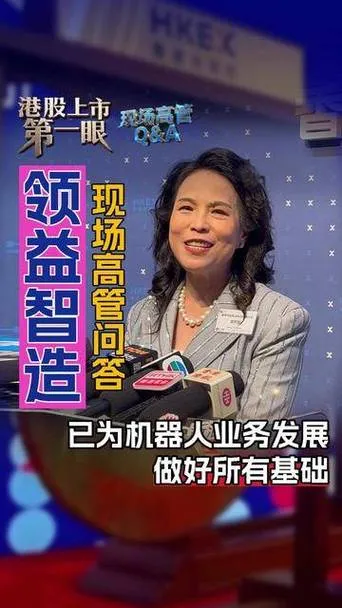
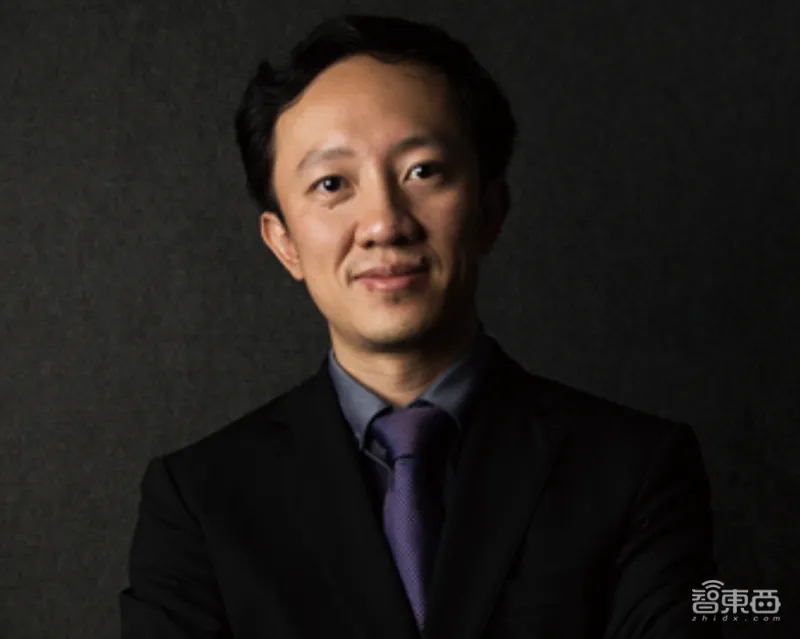
Zhou Jian
Founder, UBTECH · 周剑
The most persistent salesman in humanoids. Zhou sold his house three times and his cars three times to keep UBTECH alive before it became the world's first listed humanoid-robot company (HKEX, December 2023). Its Walker S series now targets 5,000 shipments in 2026 — a bet that factory floors, not living rooms, will pay first.
Read full profile
Fact: "To build a true humanoid robot, I'm willing to bet everything."
Gu Jie
Founder, Fourier Intelligence · 顾捷
Started in rehabilitation robotics before pivoting to humanoids — a detour that gave Fourier unusually disciplined actuator engineering. Its GR-1 (2023) was one of the first mass-produced full-size humanoids, followed by GR-2 and GR-3. Backed by SoftBank Vision Fund 2 and Saudi Aramco's Prosperity7, Fourier has raised roughly US$190 million.
Read full profile
Fact: Open-sourced the Fourier ActionNet dataset for humanoid training.
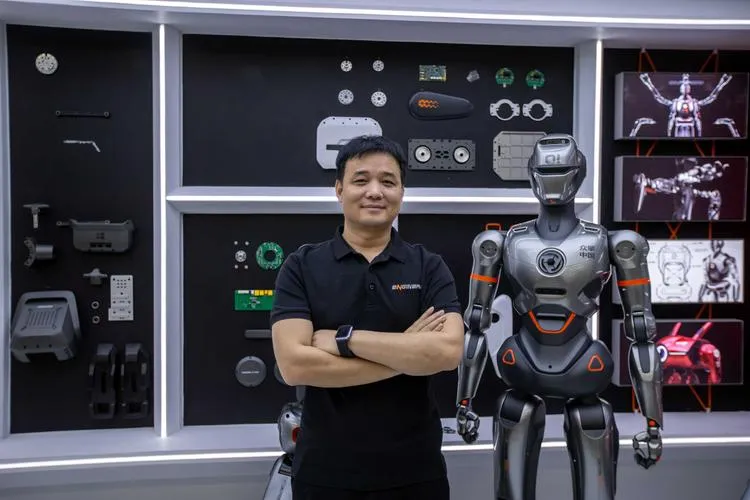
Zhao Tongyang
Founder, EngineAI · 赵同阳
The man kicked by his own robot. Zhao bet a decade on robotics in 2016, sold his quadruped startup to XPeng in 2020, then restarted from scratch in 2023 with barely a year of living expenses. His new company, EngineAI, hit a 10-billion-yuan valuation and is heading for a Hong Kong IPO. His robot T800 made headlines by kicking him across a showroom.
Read full profile
Fact: "I had enough money for one year of my kid's school fees."
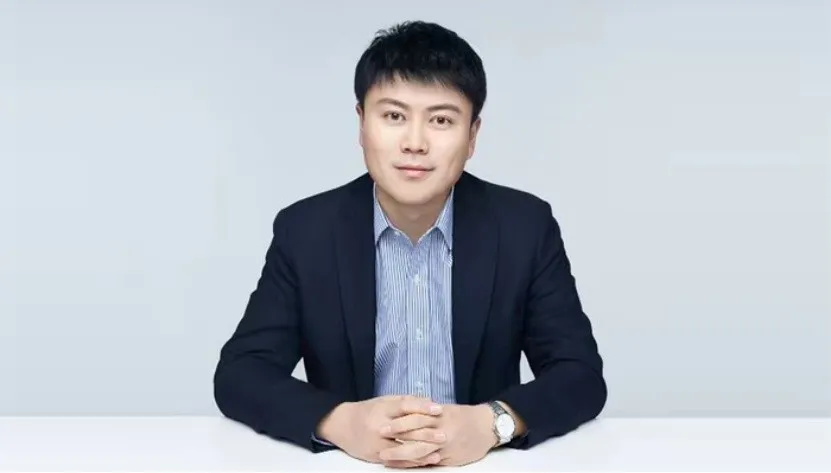
Guo Yandong
Founder, AI²Robotics (Zhipingfang) · 郭彦东
A rare founder with elite research-lab credentials plus hands-on experience in EVs and smart devices. His company pursues end-to-end VLA (vision-language-action) models, and its "Aibo" robot is already working in automotive, semiconductor and biopharma plants. His Dalianite rules: factories first, living rooms later — and never sell robots to homes for profit in the near term.
Read full profile
Fact: Took questions three times at Davos' humanoid panel, 2026.