The Humanoid Robot Race
The seven companies the money is betting on — profiles and trajectories.
Insights
More than ¥100 billion poured into China's humanoid-robot startups in two years. Some raised fortunes before shipping a product at scale. Here's how the money works — and where it's heading.
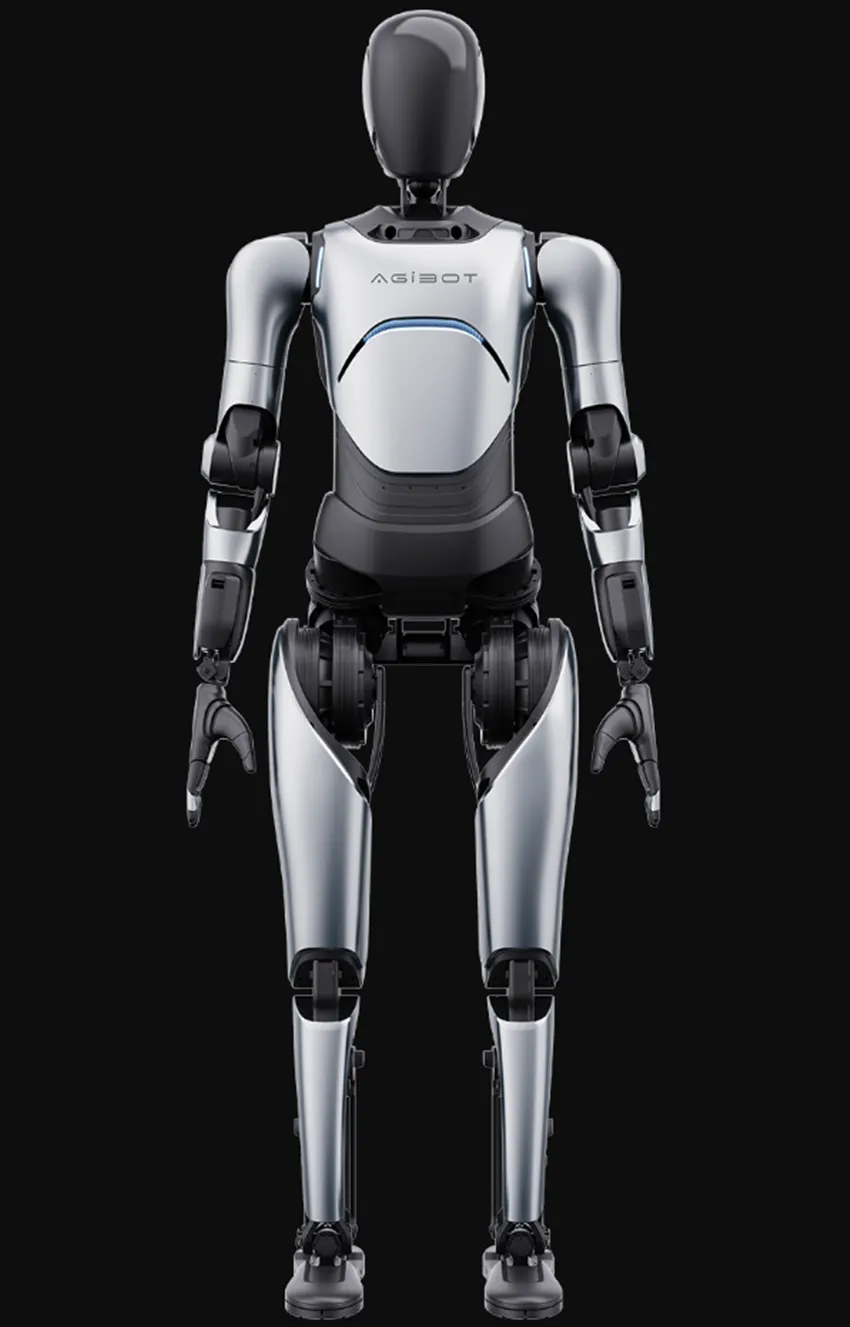
The easiest way to understand China's robotics boom is to follow the money. In the two years since Tesla's Optimus reveal lit the fuse, more than ¥100 billion has poured into humanoid robotics in China alone. The result is a funding landscape unlike anything the hardware world has seen — startups raising hundreds of millions of yuan before their products leave the lab.
Shanghai's Agibot, founded in 2023 by Huawei "genius" Peng Zhihui, is the purest example. It reached a 15-billion-yuan valuation in three years — through 10 financing rounds and more than 50 investors. It then overtook Unitree in H1 2026 humanoid shipments and launched a Hong Kong IPO. Few startups anywhere have raised so much, so fast, on such a young product line.
Shenzhen's EngineAI shows how capital flows beyond the coastal hubs. It shot to a 10-billion-yuan valuation on the back of its viral T800 humanoid, then closed a US$200 million Series B in 2026 led by a Hennan fund and Luxshare — a sign that local governments and supply-chain giants are co-investing in the next champions.
AI² Robotics (智平方) flipped the script by selling investors on software. Founder Guo Yandong's bet on end-to-end vision-language-action models lifted the company's valuation above 20 billion yuan — reportedly making it the first embodied-AI unicorn in the Greater Bay Area.
Then there is the newer generation. LiberAI, founded by a Tsinghua PhD student in 2025, raised nearly 500 million yuan in six months from Sequoia China, Meituan, Shunwei and ZhenFund — before its banana-peeling demo stunned the industry. OriginFlow, a 26-year-old founder's data-layer startup, raised 500 million yuan in five months. Booster Robotics closed nearly 1 billion yuan in 2026 funding. The average AI-founder age in China has dropped to 29.
The logic behind the frenzy: investors are betting on a single milestone — a humanoid that can work an eight-hour factory shift at a price below a human worker. If and when that machine arrives, the market is potentially enormous. The problem: too many startups chasing one prize.
The industry now calls 2026 the "year of mass production" — but also the year of consolidation. The capital that once spread across more than 47 startups is concentrating on five to eight leaders. The shakeout is a feature, not a bug: in the funding frenzy, the winners are separating from the field. The question is which of the seven companies in our humanoid race guide will be left standing.
The seven companies the money is betting on — profiles and trajectories.
Peng Zhihui, Guo Yandong, Cheng Hao and the 20-something PhDs raising hundreds of millions.
The full landscape behind the funding — who's raising, who's shipping.
Unitree ↗ · Agibot ↗ · EngineAI ↗
New rounds close weekly in China's robotics scene. This site tracks the winners as the race evolves.