Dreame — Company Profile
Key facts, products and timeline in our company database.
If you own a robot vacuum in the West, odds are Dreame made it — or at least inspired it. But the Chinese company behind those cleaners is now one of the most aggressive bets on humanoid robots anywhere. Here's the full story.
Yes. Dreame Technology (追觅科技, zhuī mì) was founded in 2017 in Suzhou by Yu Hao, a Tsinghua graduate, and is headquartered in China.
Dreame reported RMB 40 billion (~US$5.6 billion) in revenue for 2025, with roughly 80% coming from overseas markets and 40 million robot vacuums shipped cumulatively.
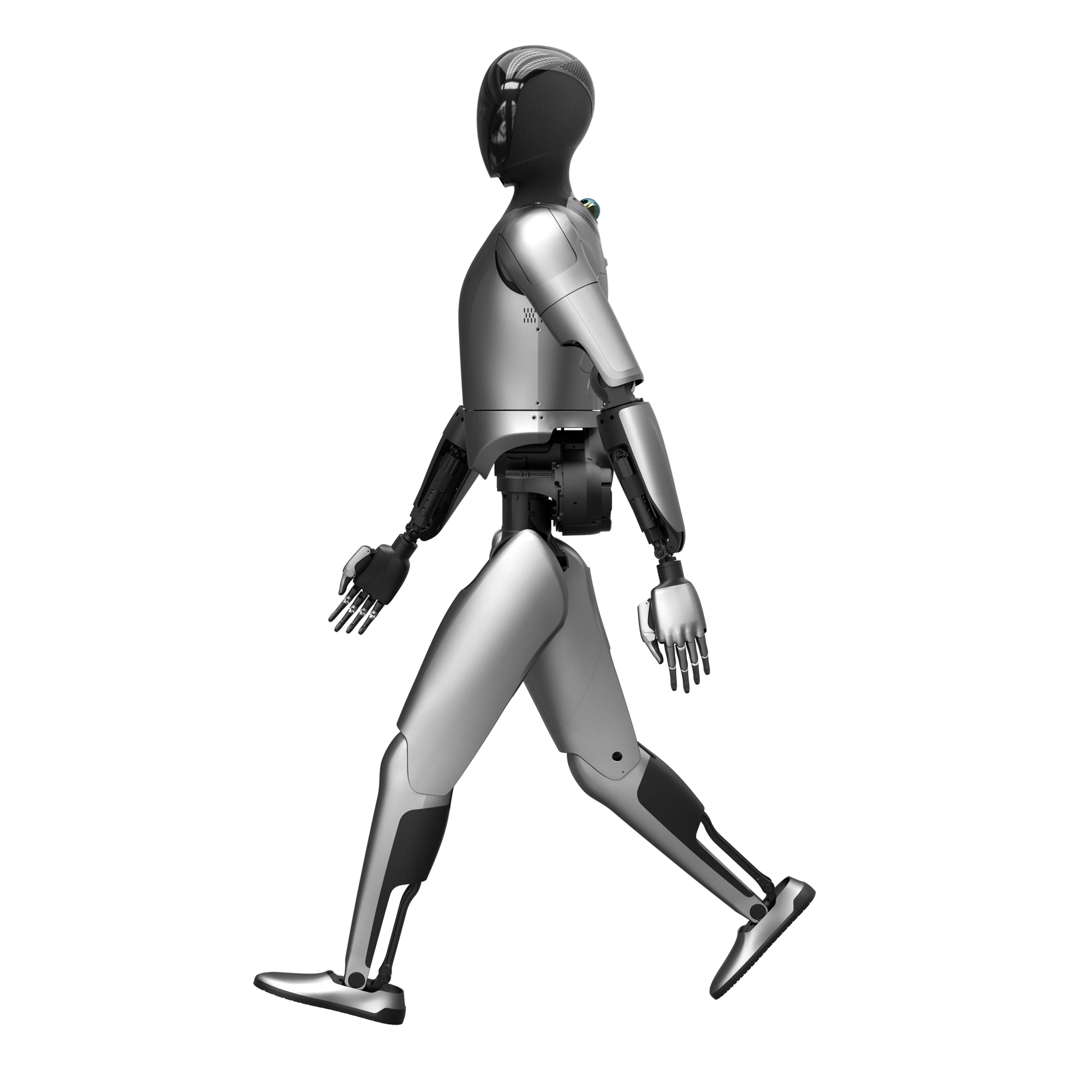
Yes — through its incubated company Magic Atom, which builds the 174cm, 42-DOF 'Xiaomai' humanoid and targets 400 commercial deliveries in 2026.
Dreame Technology (追觅科技, zhuī mì — "chase and search") was founded in 2017 in Suzhou by Yu Hao, a Tsinghua graduate who first cut his teeth on the university's "Sky Workshop" maker platform. The founding bet was simple: beat Dyson at high-speed digital motors. By 2025 the company had hit RMB 40 billion (~US$5.6B) in revenue, grown at over 100% a year for six straight years, shipped 40 million robot vacuums cumulatively and claimed the global #1 in robot vacuums by IDC data — with nearly 80% of revenue coming from overseas.
In August 2026 Dreame declared a strategic consolidation around four pillars: smart home (vacuums, floor washers, air purifiers, fridges, washers), outdoor & yard (robot mowers and pool cleaners under MOVA), smart mobility (e-scooters and e-mopeds under NAVEE), and embodied AI — humanoids built by its incubated company Magic Atom (魔法原子). The pivot followed a famously aggressive 2025 in which Dreame piled into 15 new product categories, drawing scrutiny over its pace of spending and its reported revenue figures.
Magic Atom, founded in January 2024 as a Dreame-incubated unit, is the vehicle for Yu Hao's robot ambitions. Its full-size humanoid MagicBot ("Xiaomai", 小麦) stands 174cm, carries 42 degrees of freedom and ships with a self-developed dexterous hand plus the "Atom Vientiane" foundation model. It has moved from factory trials to commercial roles — guiding customers at car dealerships, serving in restaurants and managing parking-lot traffic. Magic Atom raised a 500M+ RMB Series A in March 2026, and targets 400 commercial humanoid deliveries in 2026.
Dreame claims ~90% core-component self-sufficiency for its robots — joint motors, reducers, dexterous hands and on-device AI chips — the same vertical-integration logic that let it undercut Dyson on vacuums. Its flagship concept robot is a four-wheeled, wheel-and-limb home robot with humanoid dual arms: it climbs stairs, navigates the whole home and can wipe tables and fold clothes.
Compare Dreame with Unitree, China's other breakout. Unitree posted RMB 1.7 billion in 2025 revenue with humanoids at 51.8% of revenue — a pure-play robotics company racing to a STAR Market IPO. Dreame is the opposite: a RMB 40 billion consumer appliance giant using cash flow from vacuums to fund a humanoid moonshot. One is the athlete, the other the industrialist. Both are betting that China's next great robot company will be built on components they already make.
Dreame is the clearest case of a Chinese consumer-robotics winner reinvesting its war chest into embodied AI. If humanoids are the next smartphone, the people who already manufacture the world's home robots at scale have a head start that pure-play startups will struggle to match.
Key facts, products and timeline in our company database.
The consumer market where Dreame became the global #1.
Unitree, UBTECH, Magic Atom and the fight for China's robots.
The components every humanoid — including Dreame's — depends on.
Company profiles, product pages and supplier analysis for China's robotics ecosystem.